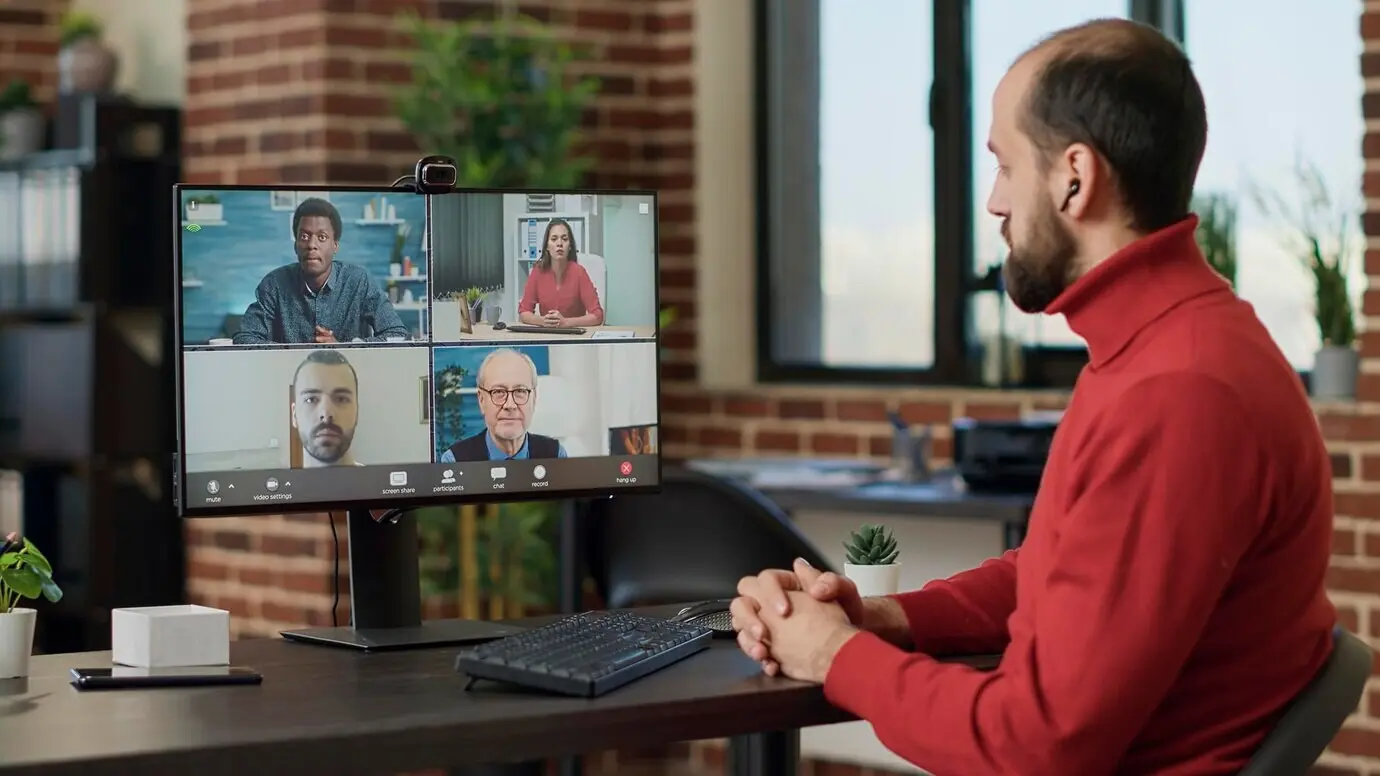
Sharpen Your Distributed Team’s Reflexes

Today we dive into Remote Collaboration Drills: Situational Exercises for Distributed Teams, translating everyday challenges into safe, repeatable practice. You’ll learn how scenario design, clear roles, concise communication, and feedback loops transform scattered colleagues into a synchronized crew. Expect practical templates, stories from real incidents, and exercises you can run this week, even across time zones. Bring curiosity, kindness, and a timer; we’re building habits that keep work calm when circumstances are not.

Why Rehearsal Beats Reaction

When work spans continents and tools misbehave, practice gives you buffer and agency. Rehearsed responses lower stress, shorten decision time, and surface gaps while stakes are low. Drawing on lessons from aviation checklists and incident response, we’ll show how brief, frequent exercises create shared mental models, predictable signals, and trust. With repetition, even surprising interruptions feel familiar, letting your team protect focus, customers, and well‑being.

Designing Realistic Scenarios

The three‑minute brief

Before acting, ask one person to deliver a three‑minute summary that covers the situation, constraints, options, and decision proposal. Others respond with clarifying questions only, then a short acceptance or request for revision. This rhythm eliminates rambling, spreads understanding quickly, and produces a clear record. With practice, meetings shrink, outcomes improve, and remote contributors feel equally respected, informed, and empowered to execute.

Listen‑first round

To counter dominance bias, give each participant thirty seconds to reflect silently, then collect viewpoints clockwise with no interruptions. Capture keywords in a shared doc and ask the group to identify agreements and unknowns. This simple structure surfaces quieter perspectives, de‑personalizes conflict, and accelerates alignment. Over time, it becomes a comforting ritual signaling fairness, curiosity, and collective responsibility for decisions that affect customers and colleagues.

Roles, Rotations, and Checklists

Clear responsibilities keep effort from collapsing into a polite pile. Define a coordinator who manages flow, a scribe who captures decisions, and specialists who execute, then rotate regularly to spread skill and empathy. Support each role with concise checklists that prevent skipped steps under stress. Rotation reveals blind spots, builds appreciation, and makes your organization resilient to vacations, departures, and surprise growth.

Latency to clarity

Measure the duration from first alert to shared understanding of the problem, owner, and next action. Reducing this latency shortens stressful ambiguity and protects customers. Use timestamps in messages and documents to compute the interval automatically. Discuss not just the number, but the patterns behind it, identifying moments where better templates or role definitions could have accelerated alignment without sacrificing thoughtfulness.

Signal‑to‑noise ratio

Count meaningful updates versus total messages during a drill to understand whether chat helps or hinders decisions. Aim for fewer, richer posts following agreed formats, and move digressions into threads. Over time, you should see clearer context with fewer pings. If not, adjust norms, experiment with moderation, and review whether tooling encourages urgency over comprehension when it matters most.

Learning capture rate

Track how many concrete insights, decisions, and playbook updates each session produces. Quantity is not everything, but a steady stream signals healthy reflection. Make it easy to contribute notes asynchronously, and recognize thoughtful contributions publicly. This habit converts fleeting experience into durable knowledge, making future coordination easier and transforming drills from a calendar checkbox into a compounding investment the entire organization appreciates.

Making It Fun and Habitual

Sustainable practice feels playful, brief, and meaningful. Keep sessions under forty minutes, vary prompts, and celebrate creativity, not just correctness. Use lightweight leaderboards, stickers, or shout‑outs to acknowledge steady participation. Rotate formats—mystery tickets, customer letters, or role‑swap day—to keep curiosity alive. When people smile while learning, attendance rises, stress lowers, and the behaviors you need during real turbulence become second nature.

Scoreboards that motivate

Design scoreboards that celebrate learning and teamwork instead of raw speed. Track checklists completed, handovers that met quality bars, and insights contributed, then reset regularly to avoid pressure. Pair recognition with small, optional rewards: a curated playlist, a handwritten note, or choosing the next scenario. Positive reinforcement turns practice into a community ritual rather than another item on a crowded to‑do list.

Micro‑drills at standup

Attach a tiny exercise to your daily standup: a thirty‑second brief, a role rotation, or writing a one‑sentence risk statement. These micro‑drills teach habits without scheduling overhead. They also reveal patterns quickly, letting you adjust norms before problems scale. Because the stakes are small and time‑boxed, people experiment freely, bringing levity and learning into a meeting that already exists in every time zone.

Monthly big drill

Once a month, run a slightly longer scenario that spans teams and tools, inviting partners from security, legal, or support. Offer clear sign‑ups, pre‑reads, and opt‑outs to keep enthusiasm high. Afterwards, host a celebratory debrief with gratitude rounds and concrete improvements. This cadence compounds skills, deepens relationships, and keeps leadership engaged without overwhelming calendars or exhausting attention across your distributed community.


Stories from the Field

Falonipilozemaxi
Privacy Overview

This website uses cookies so that we can provide you with the best user experience possible. Cookie information is stored in your browser and performs functions such as recognising you when you return to our website and helping our team to understand which sections of the website you find most interesting and useful.